“Production process” search results (9000)
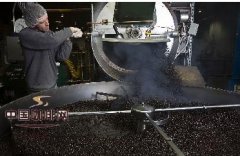
How do coffee beans turn into coffee? The production process of coffee beans
How do coffee beans become coffee? just buy a good coffee machine. Every cup you drink takes five years to blossom and bear fruit. It goes through complicated procedures such as harvesting, roasting, and so on, and is carefully prepared by the coffee brewer. Here are seven simple rules for making good coffee: ● uses freshly roasted coffee beans and stores them for up to a week
2015-11-06 Coffee beans how to become coffee coffee production process coffee beans
Fruit-flavored cappuccino (cappuccino) production process
What do you think of fruit-flavored cappuccino? Traditional cappuccino milk foam is thicker, coffee flavor is obvious; La Hua cappuccino milk flavor, coffee flavor is clearly discernible, when you enjoy the simple milk, coffee-flavored cappuccino many times, do you try to change the taste? Or change the method of cappuccino? "Fruit cappuccino" can make a variety of fruit flavor choices, for example
2014-09-13 Coffee knowledge fruity coffee cappuccino coffee making process
Burundian coffee bean flavor with almond aroma introduction to boutique coffee beans in manor production area
Burundian coffee bears a striking resemblance to neighboring Rwanda, where coffee from the two countries is often confused. Burundian coffee is mainly grown in bourbon, with traditional wet processing of coffee cherries. Its boutique coffee is characterized by elegant sweetness and bright citrus aromas. This batch belongs to bourbon species micro batch. [Bulundi Champion processing Factory] is located in the card.
2016-08-08 Almonds aroma Burundi coffee beans flavor taste manor producing area characteristics essence
Some problems about Coffee production in Yunnan
At present, Yunnan coffee production is mainly distributed in Pu'er (180000 mu), Baoshan (100000 mu), Dehong (120000 mu) and Lincang (20 mu). Most of them are catimor varieties. At present, more than 80% of them are used as raw materials for instant coffee processing, some are supplied to Nestl é, and some are exported to Europe and the United States by local traders. From the grading criteria of specialty coffee
2014-09-28 Coffee knowledge Yunnan coffee coffee production
Some problems about Coffee production in Yunnan
At present, Yunnan coffee production is mainly distributed in Pu'er (180000 mu), Baoshan (100000 mu), Dehong (120000 mu) and Lincang (20 mu). Most of them are catimor varieties. At present, more than 80% of them are used as raw materials for instant coffee processing, some are supplied to Nestl é, and some are exported to Europe and the United States by local traders. From the grading criteria of specialty coffee
2015-10-12 About Yunnan coffee production some problems
Coffee bean classification Yega Xuefei grade classification
Egyptian beans are named after places of origin and are usually named after provinces. This is a bit like the Bordeaux region of French red wine. Which producing areas are clear to everyone. Note: Chevy is a small producing area in Sidamo Province. Because of its unique flavor, it can become an independent brand. This naming method is very different from that of other African countries (including the hierarchical naming described below), which you often see.
2016-06-03 Coffee beans grading Yega Sheffield classification Egyptian beans origin naming often
Sharing the production process of coffee beans
It takes as long as 3-5 years for a coffee tree drama to steal and grow to a beautiful end. 6-10 years of coffee trees are the most likely to bear fruit, about 15-20 years, is a bumper harvest. Coffee trees are usually bred in nurseries and grow into saplings, and then moved to coffee farms a year later, completely following the way the Arabs planted and cultivated coffee trees at the time. In the first four or five years of the development of coffee trees, it will continue to go down.
2014-09-04 Coffee knowledge coffee bean production production process coffee encyclopedia
The development of Chinese coffee Dehong Hougu Coffee and its rise!
Dehong Hougu Coffee Co., Ltd. is a national key leading enterprise in agricultural industrialization. The company was established in December 2007 with a registered capital of 329 million yuan. By the end of 2014, the company had total assets of 4 billion yuan, sales income of 1.5 billion yuan and export earnings of 140 million US dollars. The existing staff of nearly 2000 people, under the Mangshi, Yingjiang, Kunming, Lincang, Longchuan, instant powder and other nine sub-companies. At present
2016-02-26 China Coffee after Xiongqi Dehong Co. Ltd. National Agriculture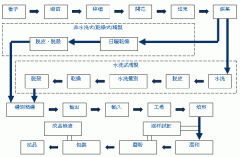

How the production of Kopi Luwak brews Kopi Luwak
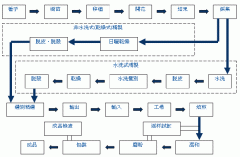
The roasting process of Luwak coffee beans is as follows: 1, civets like to eat ripe red coffee fruits on coffee trees; 2, pick out undigested coffee seeds from cat droppings; 3, remove the silver gray film of coffee seeds, wash them in the sun and dry them in the sun; 4, stir-fry Luwak coffee beans. Production skills 1. After Indonesians remove the silver-gray film on the appearance of coffee beans, use water
2015-03-13 Cat shit coffee making how brewing production method WACKER coffee beans roasting
The ratio of brewing coffee to water in the production process of coffee trees
After the fruit is harvested from harvest to delivery, the skin and flesh must be removed. The endocarp and silver peel are removed to form coffee beans. There are two kinds of methods: drying (natural drying, non-washing) and washing. Dry type, the operation is relatively simple, the harvested fruit will be spread on the dry ground and basked in the sun for a week or two. The sound of rattling can be heard when it is turned, which means it is dry. Then peel off the shell.
2016-06-07 Coffee production process proportioning get delivery fruit harvest must be skin
What is the coffee bean production process
Hawaii to Hawaii sightseeing, in addition to beautiful beaches, do not forget the Hawaiian coffee beans-Kona. The palate is sweet with wine acidity, which is very special. Hawaii's most traditional and famous coffee. However, due to the low yield and surprisingly expensive cost here, coupled with the increasing demand for single-serve coffee in the United States and other places, its unit price is not only getting higher and higher.
2016-05-25 coffee beans production process is a how hawaii sightseeing besides beautiful beach
Introduction of several fermentation processes in the production of Indonesian civet coffee Kopi Luwak
At present, there are still two modes of production of civet coffee in Indonesia. One is the civets from the wild, which need someone to collect the civet poop that can be found like mushrooms, and then do the sun or water washing treatment. However, because the civet is a nocturnal animal, lives in the jungle area and does not eat much, the coffee beans produced by wild civets are very rare. that
2016-09-20 Indonesia musk coffee cat shit mode of production several fermentation process introduction now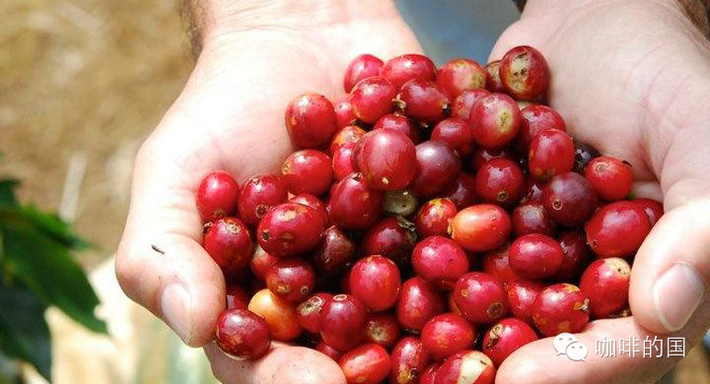
Boutique Coffee Yega Snow Coffee Ethiopia Yega Fischer kochere washed G2 ripe beans
Cochel is located in a small producing area 25 kilometers southeast of Yegashafi, Ethiopia. It is a rich area for coffee production. It is also one of the three famous and micro-producing areas of Yegashafi. It has about 100,000 local residents, and coffee beans are the main source of income. The processing and processing equipment of this production area is very advanced. Coffee Review, a well-known coffee evaluation website, gave Kocher a high rating of 94 points for washed beans.
2016-03-26 Boutique Coffee Yega Chevy Ethiopia Sheffiko Cher koche
Ethiopian coffee beans
General requirements: The moisture content of sun-dried coffee beans should not exceed 11.5% by weight, and at least 85% of the beans remain above 14 mesh after sifting. (This is why Egyptian beans don't look good: 14 + means 14, 15, 16, 17, 18, etc. mixed together, beans must be uneven) Parchment Coffee Grades: 1, 2, 3, 4, 5, 6, 7, 8, 9
2016-06-08 Ethiopia coffee beans grade presentation general requirements sun exposure water
The wonderful production process of Little Bear Coffee pull! The skill of Coffee drawing teaches the course of Little Bear's drawing
1. For the appearance of all weapons, milk should choose whole milk with a fat content of more than 3.5. First scald the cup with hot water (pour), then add coffee powder and hot milk, pour 30-40 ml of water, add milk to imitate the grease layer of Espresso; 3. Heat the milk at a temperature of about 60 degrees, and then use a foaming machine to make foam. Be careful not to overdo it. There is too much foam.
2016-02-29 Bear coffee flower wonderful production process all weapons appearance milk selection
Almond aroma Burundian boutique coffee bean flavor taste manor production area introduction of Burundian coffee
Burundi has the most diverse and successful coffee industry in the world, and has its own characteristics. Coffee in this country was introduced by Belgian colonists in 1930 and is now grown only on small farms. Unfortunately, many of these farms are on the border with war-torn Rwanda, putting pressure on coffee production. Coffee produced in Burundi.
2016-08-08 Almonds aroma Burundi boutique coffee beans flavor taste manor producing area introduction
The harm of instant coffee
The first is essence: it starts with the production process of instant coffee. Instant coffee is produced by drying after extracting active ingredients from roasted coffee beans. In this process, some aromatic substances will inevitably be lost, so that the flavor and taste of the finished product is not as rich and pure as that of directly roasted coffee. The production process is generally as follows: pretreatment, roasting, grinding, extraction, concentration and drying, in which the pretreatment is
2014-08-27 Coffee knowledge the harm of instant coffee
The History of Instant Coffee
The history of instant coffee in 1901, instant coffee was invented by SaetoriKato, a Japanese scientist working in Chicago, USA. GeorgeConstantLouisWashington invented the technology for mass production of instant coffee and introduced it to the market in 1910
2015-07-27 Instant coffee history practice